Narcissistic Abuse Recovery: Healing Guide
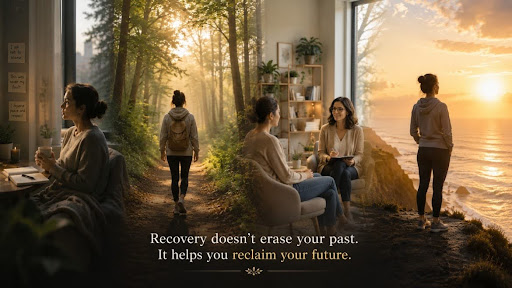
Getting over a relationship with someone who has narcissistic behaviors is really tough. It can be very confusing. Make yourself feel anxious, bad about yourself, and unsure of your feelings. This is because of all the things they said, the way they made you question yourself, and the way they controlled you.
The first step to feeling is to know that your pain is real. You have to understand that what you went through can affect your mind and feelings for a time. To heal, you have to learn about what happened and decide to take care of yourself.
Narcissistic abuse recovery helps people understand what happened in their relationship, feel better about themselves, trust themselves again, and deal with their feelings in a way. It is about looking at what happened, learning how to cope and getting to know yourself
With help from professionals, resources, and learning about narcissistic abuse, you can start to rebuild your life. You can learn to see the patterns and start to feel free from them. This is the start of narcissistic abuse recovery, and it is a big step towards feeling better and being happy again.
Recognizing the Impact of Narcissistic Abuse
Understanding what happens in a relationship is a big part of getting better. These relationships are often filled with people being manipulated, made to feel bad about themselves, and controlled.
Survivors may experience:
- Feeling really confused about what happened
- Always wondering if they made the choice
- Not trusting themselves or others
- Feeling very tired. Stressed
- Not feeling good about themselves
- Being scared to say what they think
- Feeling like they are to blame for someone’s actions
After leaving the relationship, people can still feel these effects. Many people stay attached, get upset easily, or have a time adjusting to life without being controlled.
Recognizing that these feelings are normal can help people be kinder to themselves. Narcissistic abuse is the reason people feel this way. Understanding abuse can help people feel better about themselves and move on from the abuse.
Accepting the Reality Without Blaming Yourself
Healing is about accepting what happened without feeling guilty or ashamed. Many people who have been through a time ask themselves questions like why they stayed or why they trusted someone.
Narcissistic relationships are complicated. Can be confusing. There may be times when the other person is affectionate or apologizes, which can make it hard to know what to do.
Healing is not about blaming someone. It is about understanding what happened and choosing to move on with respect for yourself.
Accepting what happened allows people to think about their experiences and start to heal. This helps them have a future. Healing and narcissistic relationships are closely related to the acceptance and self-respect of the survivors of narcissistic relationships.
Creating Healthy Boundaries for Protection and Growth
Learning to set boundaries is one of the crucial aspects that every person should master after experiencing manipulation. In turn, this is a measure to prevent further toxic behaviors and emotional trauma.
It is significant to note that healthy boundaries could be manifested in various forms, including:
- saying no to toxic people,
- limiting communication with them,
- expressing one’s expectations explicitly,
- holding on to standards,
- protecting one’s mental health and well-being.
Most importantly, by setting limitations, a person does not seek to control other people’s behaviors but rather establish healthy conditions for their own safety and well-being.
Although it might be hard for manipulation survivors to set limits at first, this process would eventually empower their healing process.
Rebuilding Confidence and Self-Worth
One of the aftereffects of narcissistic abuse is the damaged self-esteem. Narcissists do everything possible to break and destroy your self-worth, so it becomes highly essential now to invest extra time, effort, and attention into nurturing your own self.
Here are a few vital areas and points that can enable and encourage you to do the same:
- recognition of your own strengths,
- engaging yourself in your hobby,
- spending time with positive and supportive people,
- gentle talks with yourself,
- setting up personal goals for yourself,
- and rewarding yourself for achieving those.
This way, you will see your self-confidence coming back in full range when you begin believing that you are capable of realizing some things again.
Every step you take for your personal growth will make you feel stronger and more successful than before.
Emotional Healing and Personal Growth After Abuse
Healing from trauma is a tough journey. Some days are okay. Others are really hard because of bad memories or things that upset you. Just because you have days does not mean you are not doing well. These tough days are usually a part of getting better.
Emotional healing involves things like the following:
- Understanding what upsets you
- Learning how to deal with things in a way
- Managing your emotions when they are difficult
- Being able to talk to people in a way
- Making relationships
- Finding out who you are
Healing from emotional trauma is not just about forgetting the past. It is also about finding out who you are and what you want from life. Emotional trauma and healing from it is about making a life that is what you want.
The Importance of Professional Guidance and Support
Many people who have been through abuse find it really helpful to get support from p


Post Comment